Design Styles for the Central Coast
by Jules Welch
It’s easy to be overwhelmed when looking at an empty plot of land or a back yard in disrepair. Luckily for homeowners, HOA’s, and commercial property owners, landscape designers see your space as a blank canvas—a unique opportunity to meld function with artistic expression. Design style plays a huge part in every built environment, and often incorporates a colorful mix of the owner’s personality, designer’s aesthetic, and greater climatic and cultural context. Some design styles that are popular for our coastal California area include:
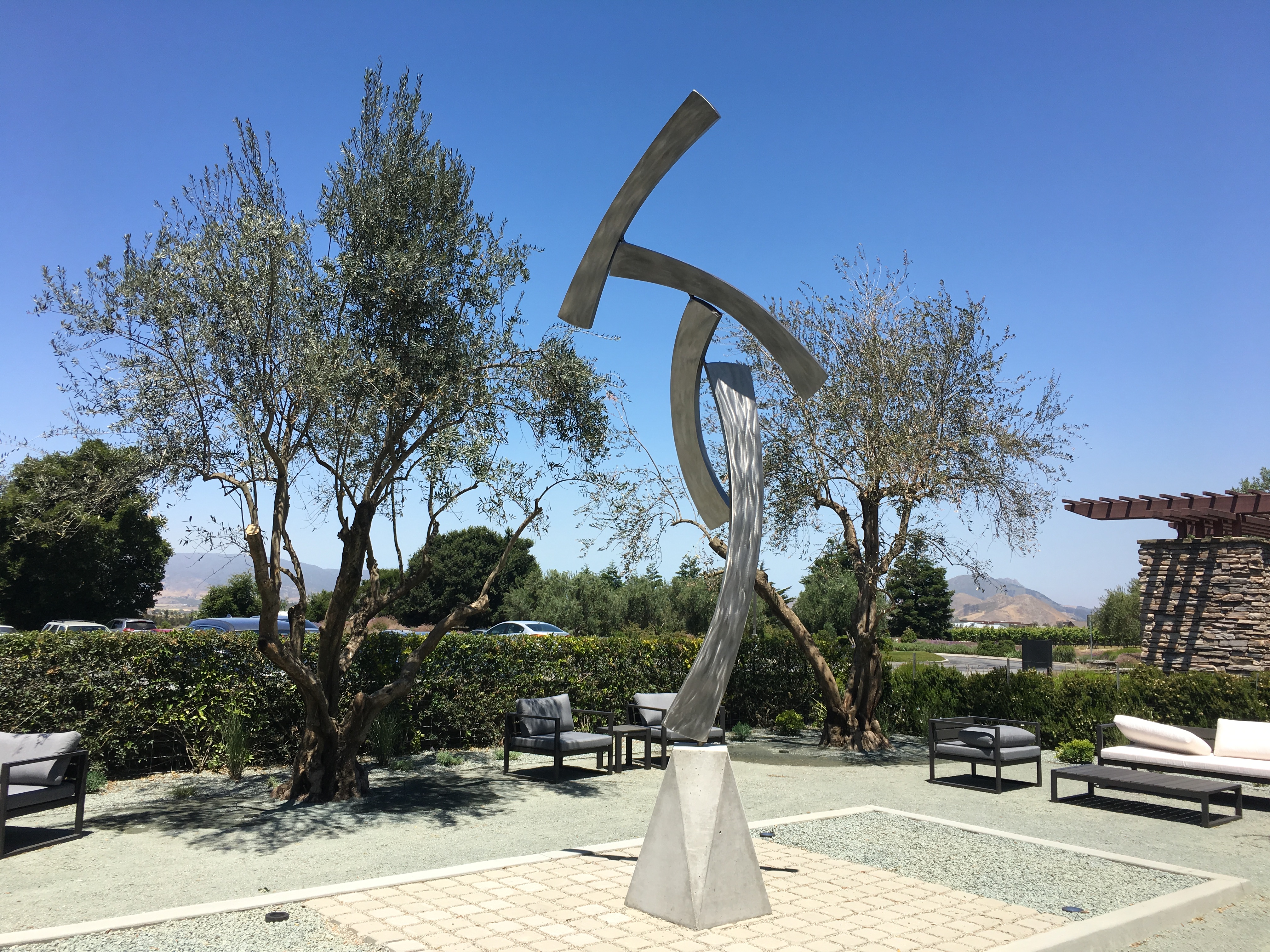
-Contemporary/Minimalist
-English Cottage/Craftsman
-Xeriscape/Native/Low Water
-Mediterranean and Spanish Colonial Revival
There is a lot of overlap when it comes to style, but certain core characteristics define each aesthetic. Read more about these traits to find out what speaks to you:
Contemporary/Minimalist:
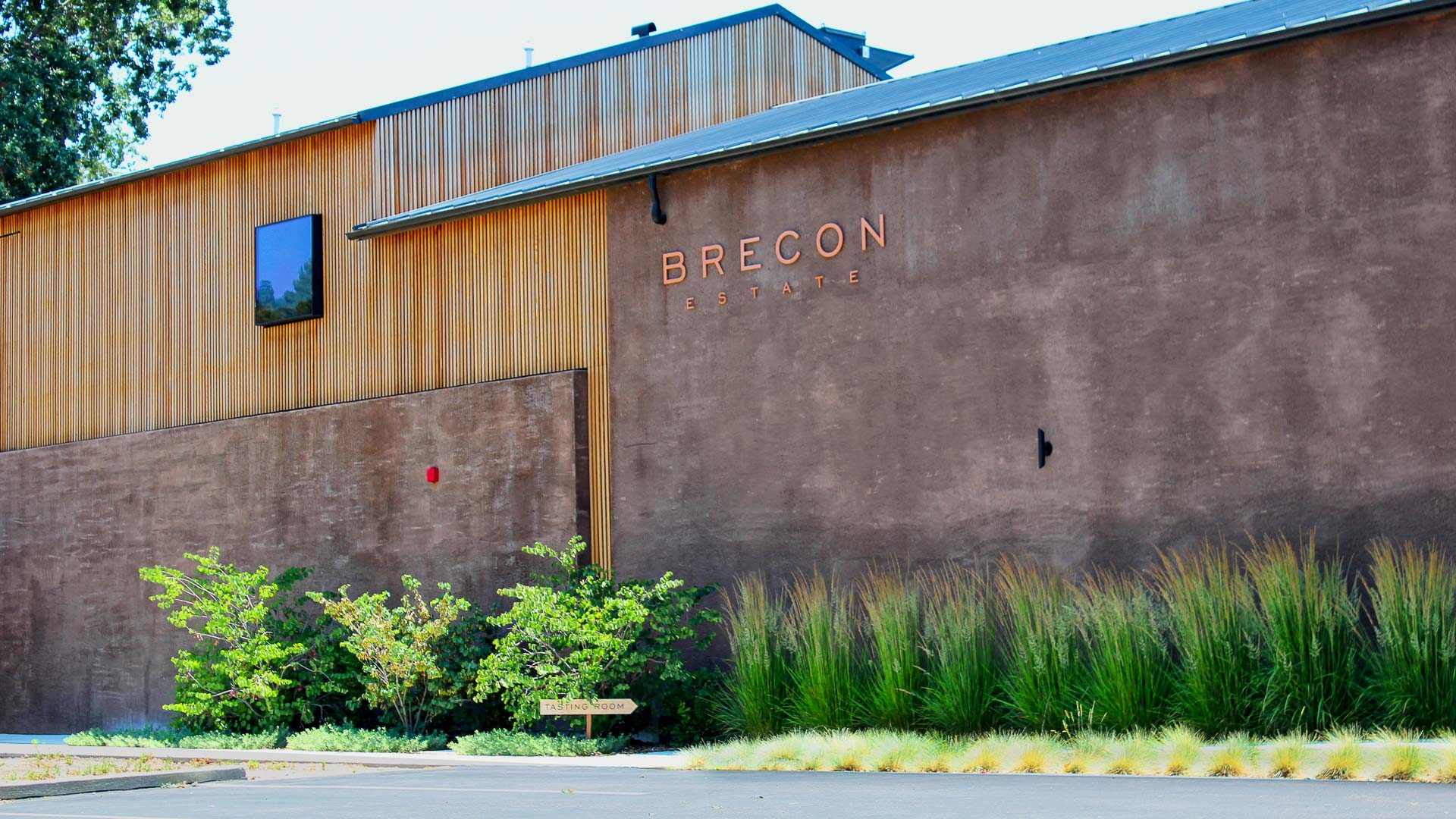
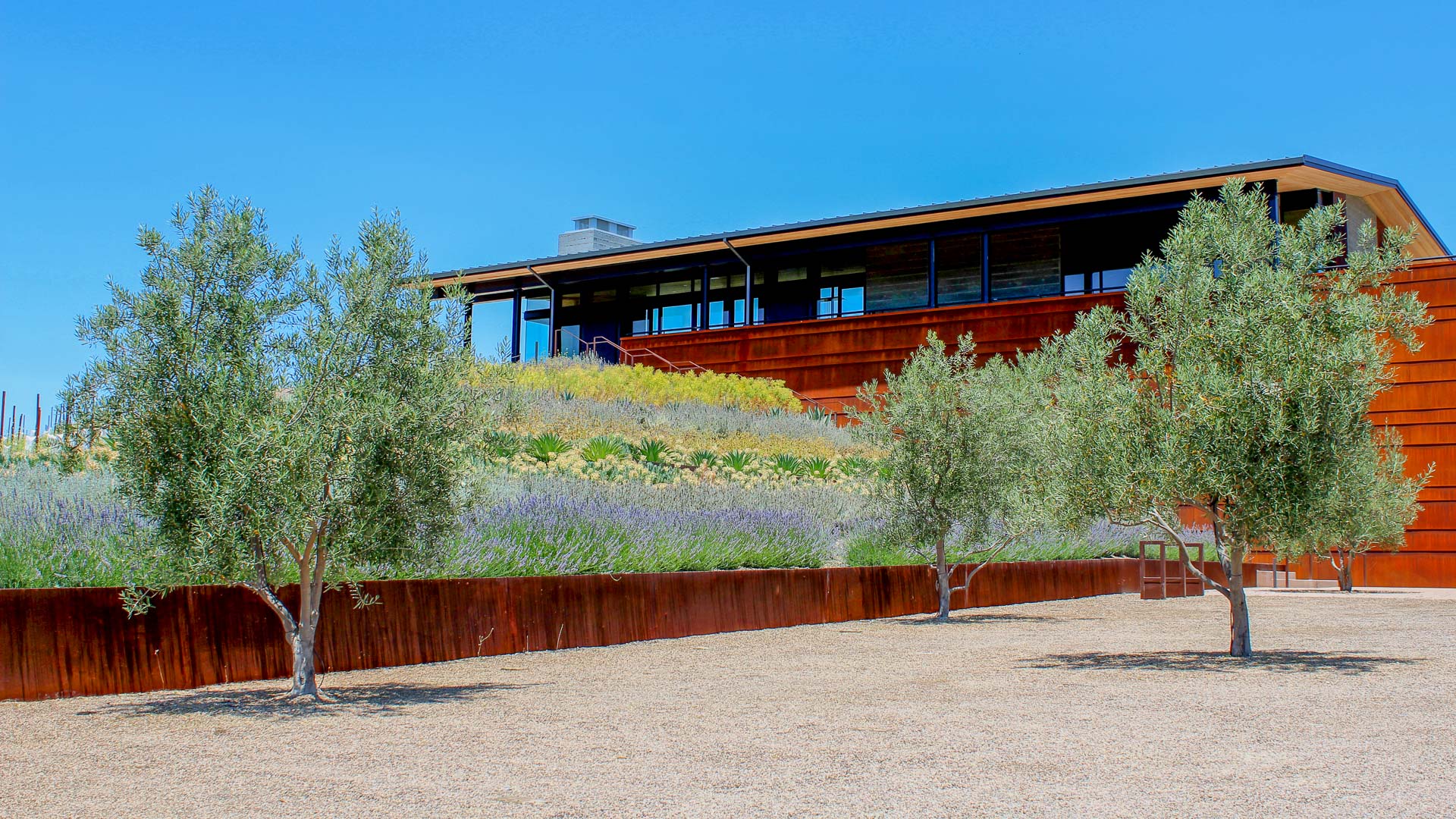
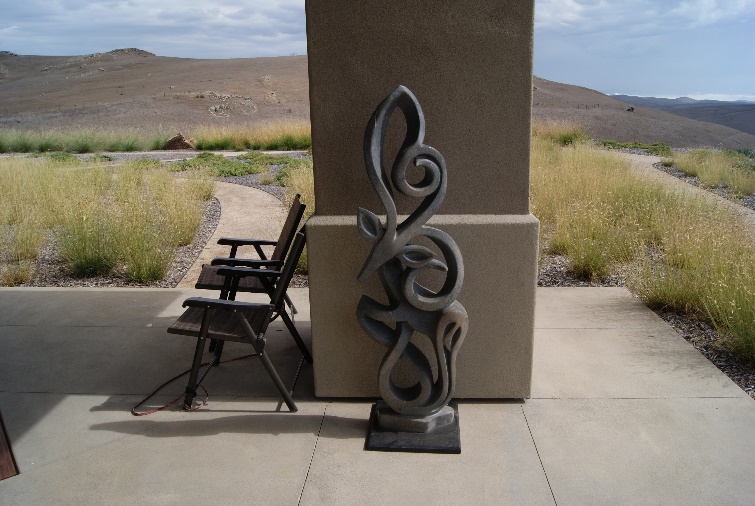
Colloquially described as “modern” design, contemporary landscapes are influenced by mid-century modern art and architecture but are defined by their cutting-edge qualities for the present day (which, technically, could be any style). However, when someone refers to a contemporary landscape, they are likely describing a geometric style which features minimalism, clean lines, and grid layouts. Contemporary design is often used in commercial projects such as campuses, plazas, and office buildings; it may also be used to complement custom homes. These landscapes generally favor green foliage over colorful flowers, with intentional spacing and simple hardscapes like concrete or pea gravel.
Gain Inspiration: Andrea Cochran is a renowned Bay Area designer known for her spacious designs with an emphasis on form.
English Cottage/Craftsman:
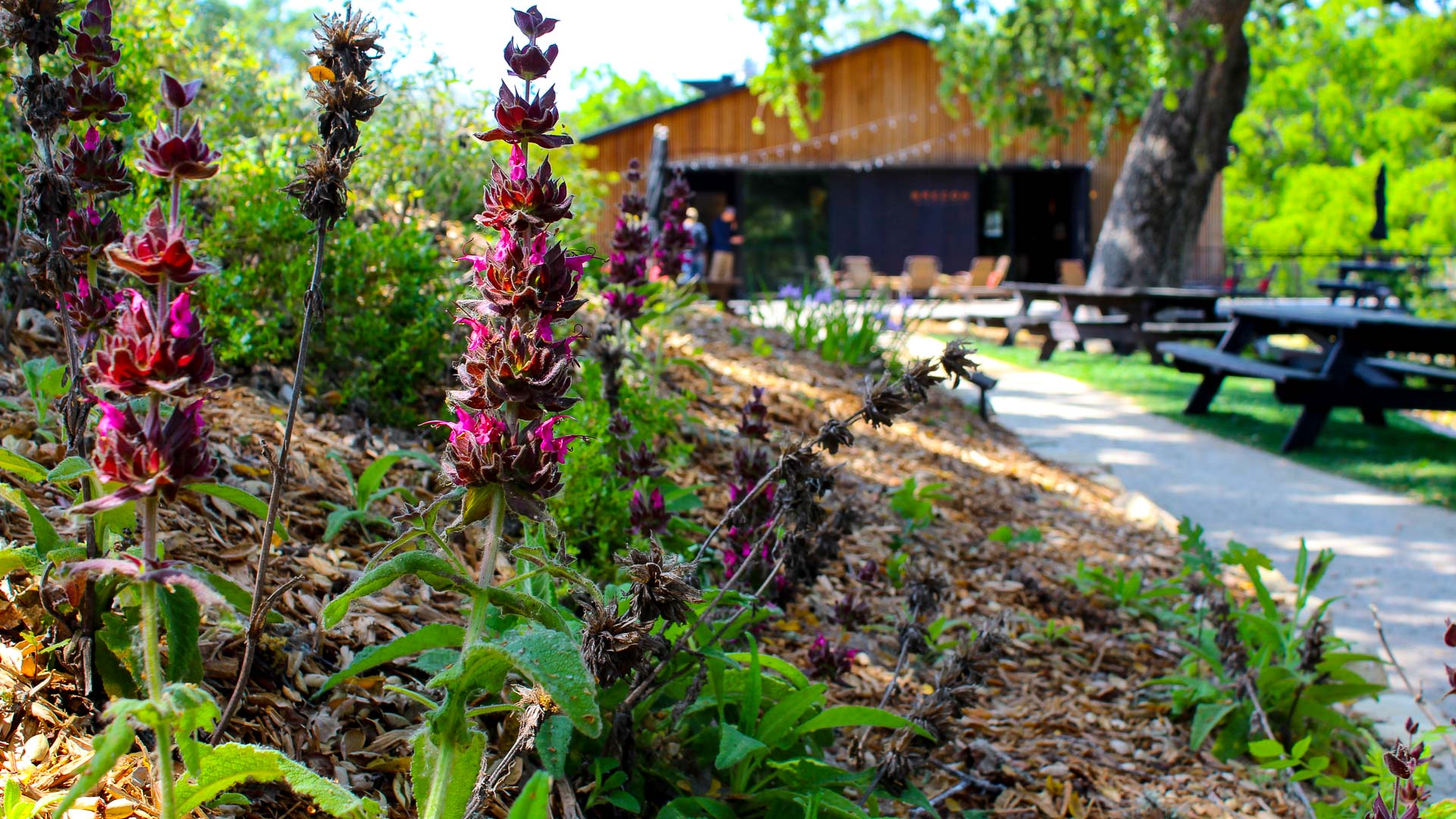
English Cottage Gardens came into their own during the industrial revolution, when families fled city life for remote holiday cottages in the country. This mix of ideologies brought a unique design sense which mixes the formal with the chaotic. English cottage gardens can be identified by their overgrown, lush look, usually incorporating lawn and border plantings among tightly-grouped flowering perennials.
Gain Inspiration: Gertrude Jekyll (1843-1932) was known for her craftsman inspired cottage gardens, using color “rooms” to achieve dynamic and natural mass plantings.
Xeriscape/Native/Low Water:
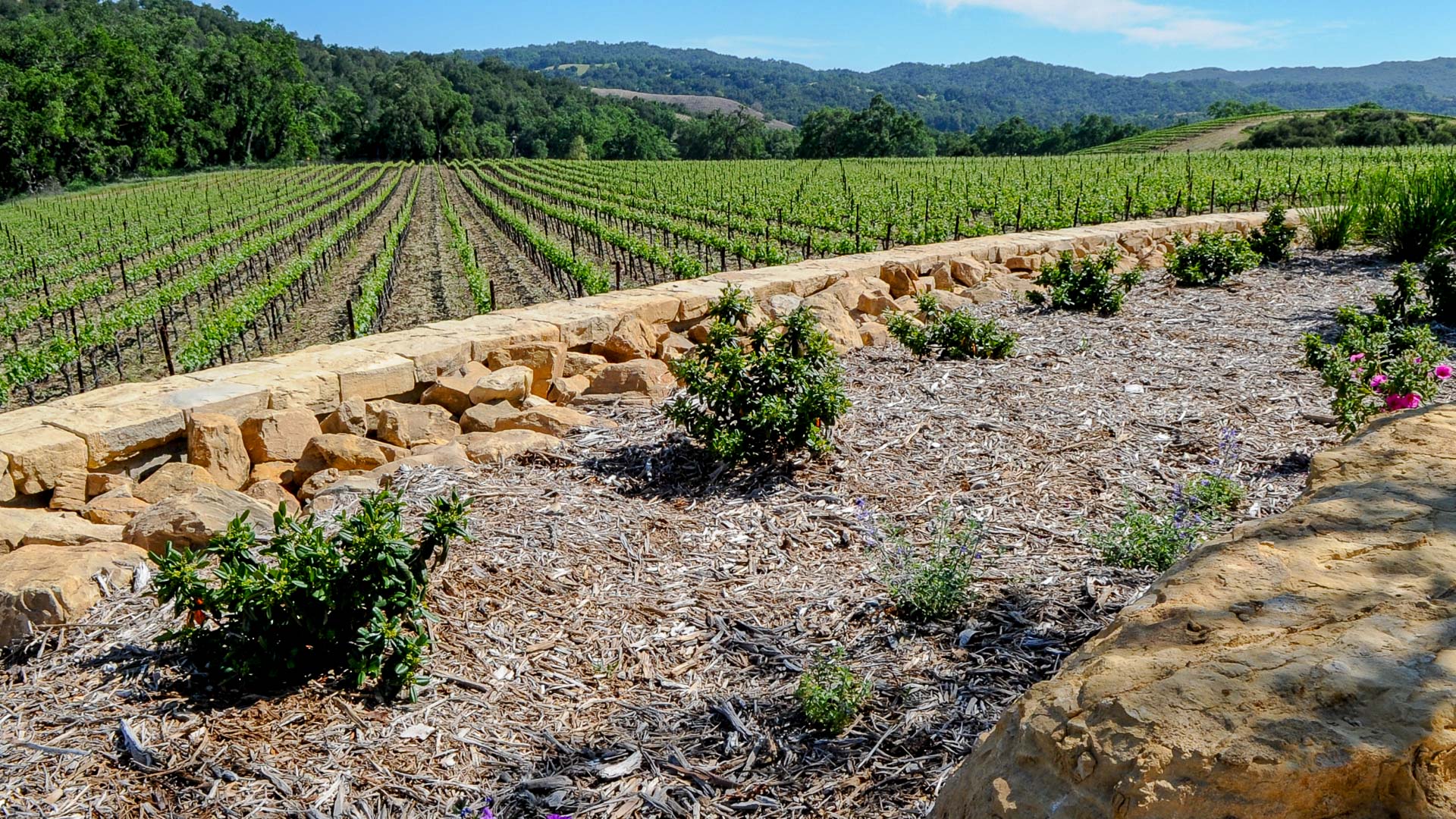
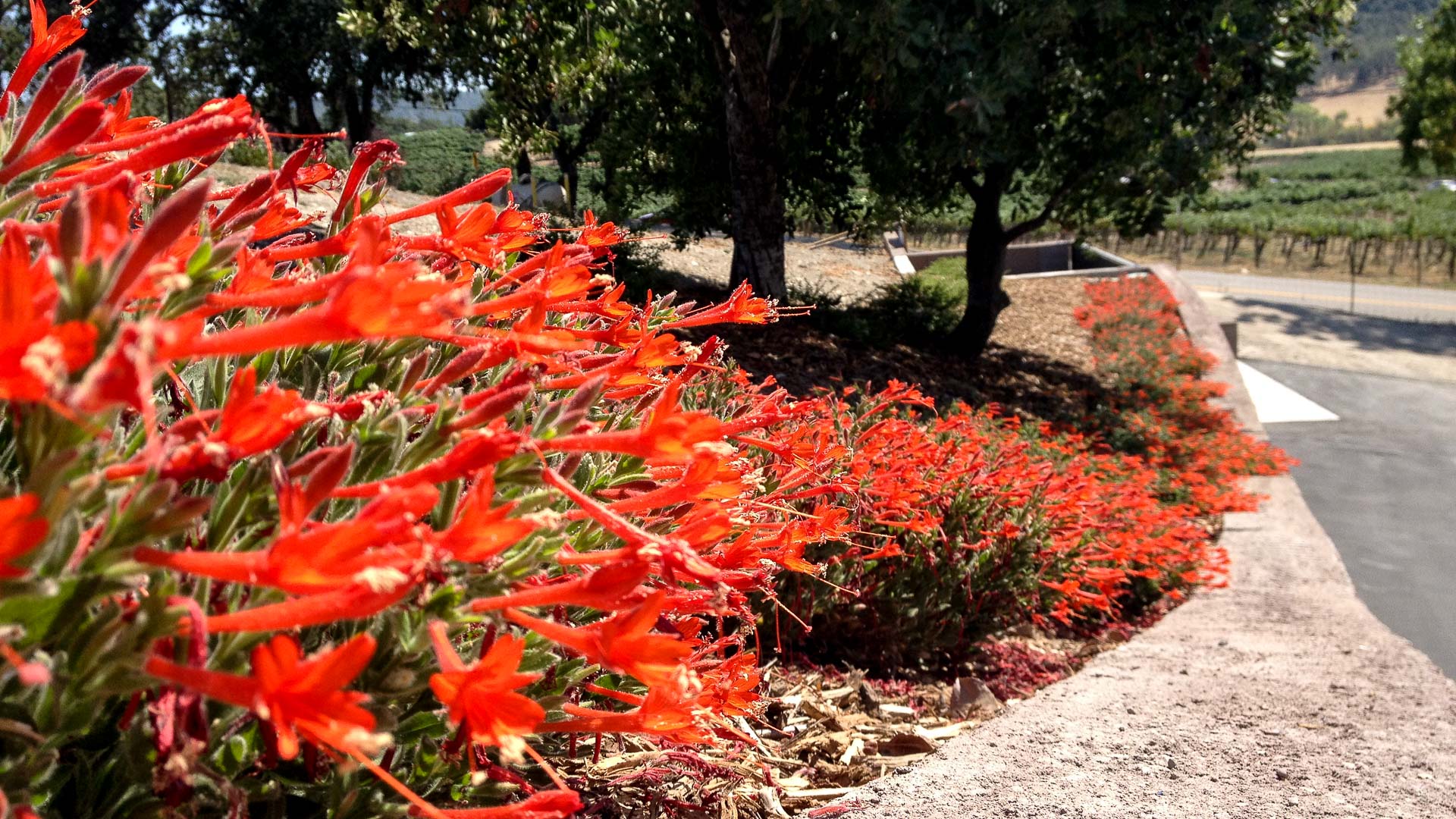
Xeriscape is a style of landscape design which requires minimal irrigation and maintenance, focusing on efficient use of water. Often using native and native-adjacent plants, these water-wise gardens tend to evoke an arid, desert feel. Gravel, cactus, and decomposed granite are the keystone elements of a xeriscape. Designers also incorporate sustainable water-harvesting elements such as planted swales and rain gardens into their xeriscapes. Native California gardens can still look lush, colorful, and attractive, while still retaining their drought-tolerant, low maintenance qualities.
Mediterranean and Spanish Colonial Revival:
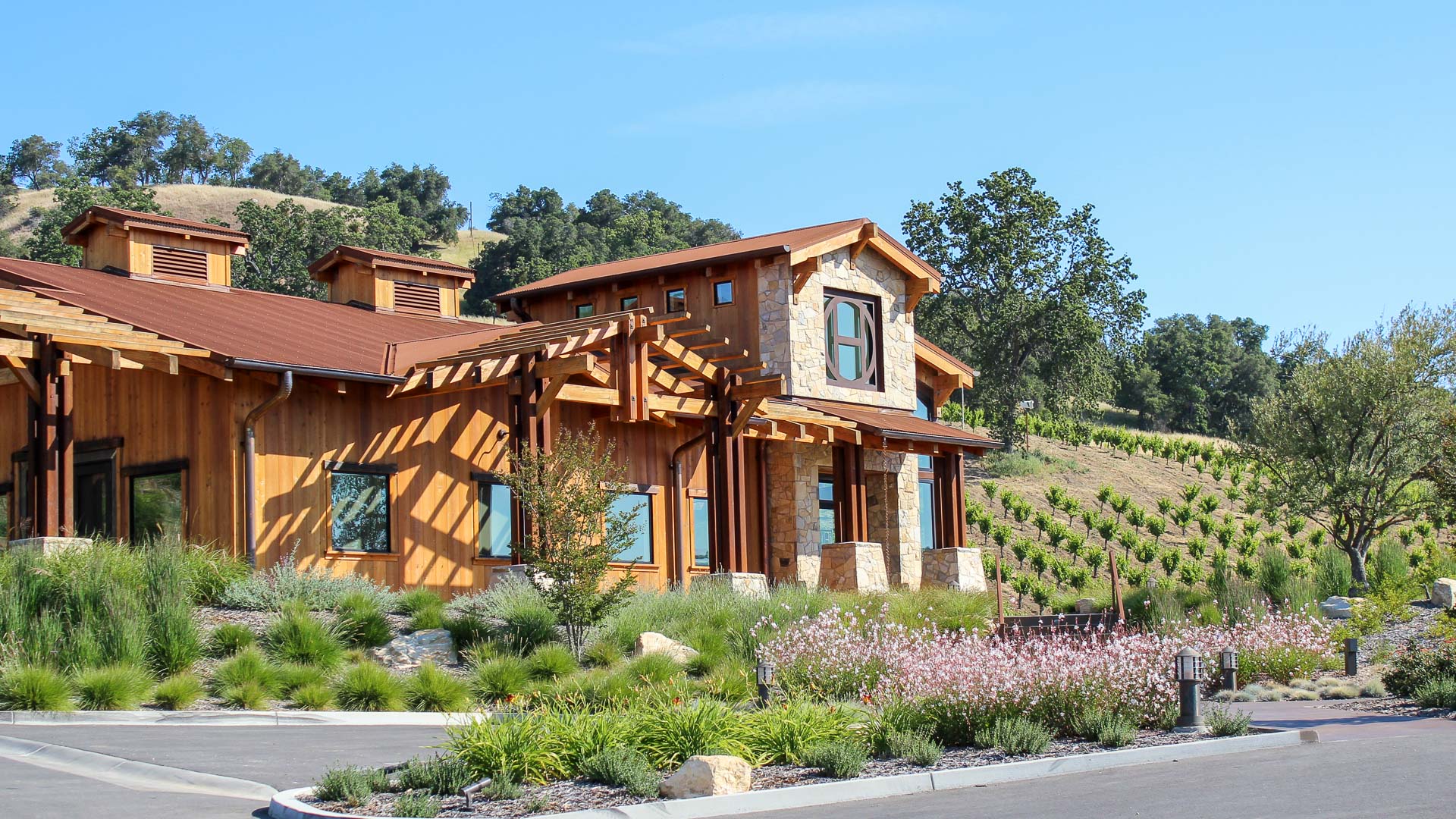
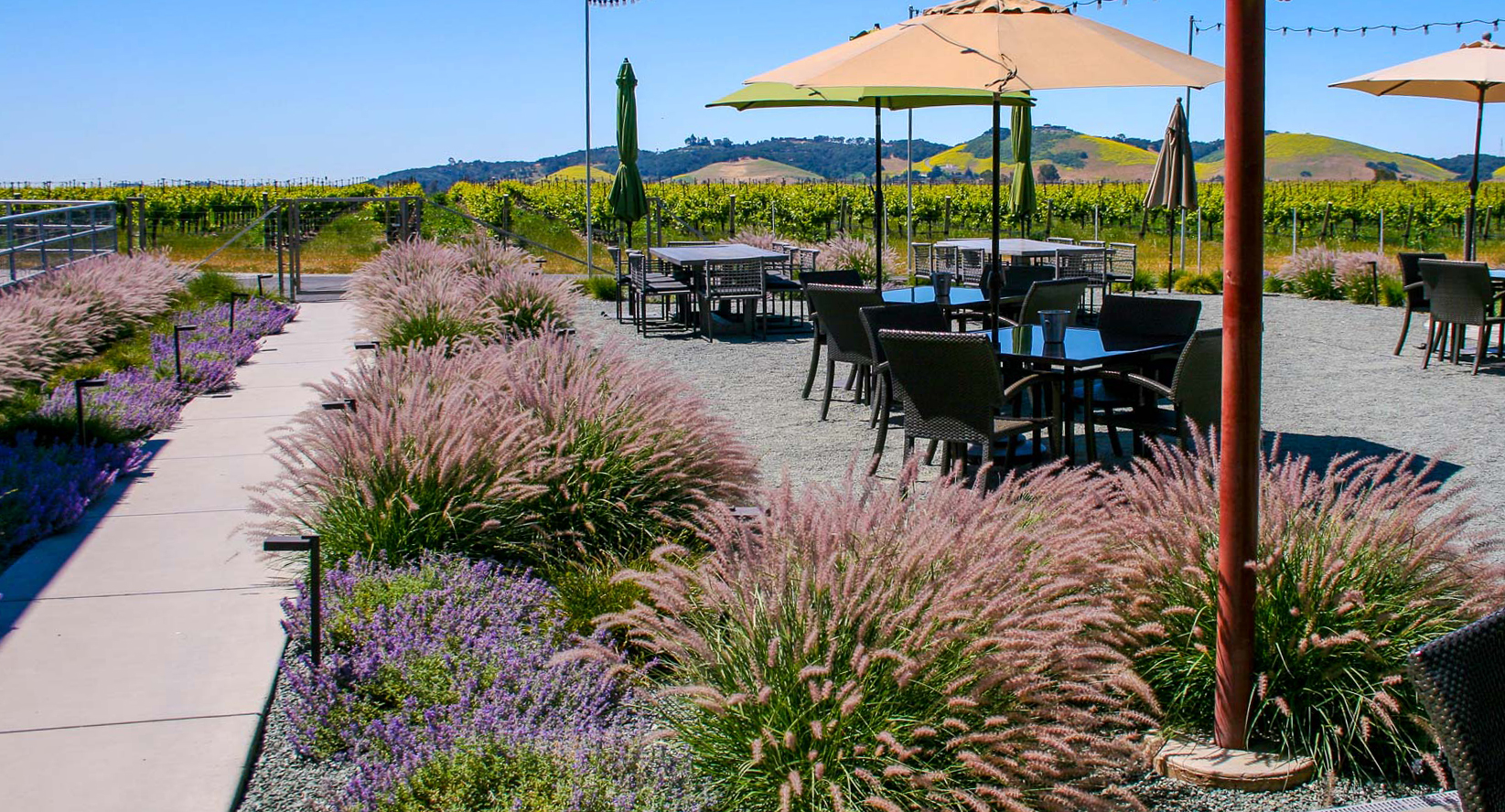
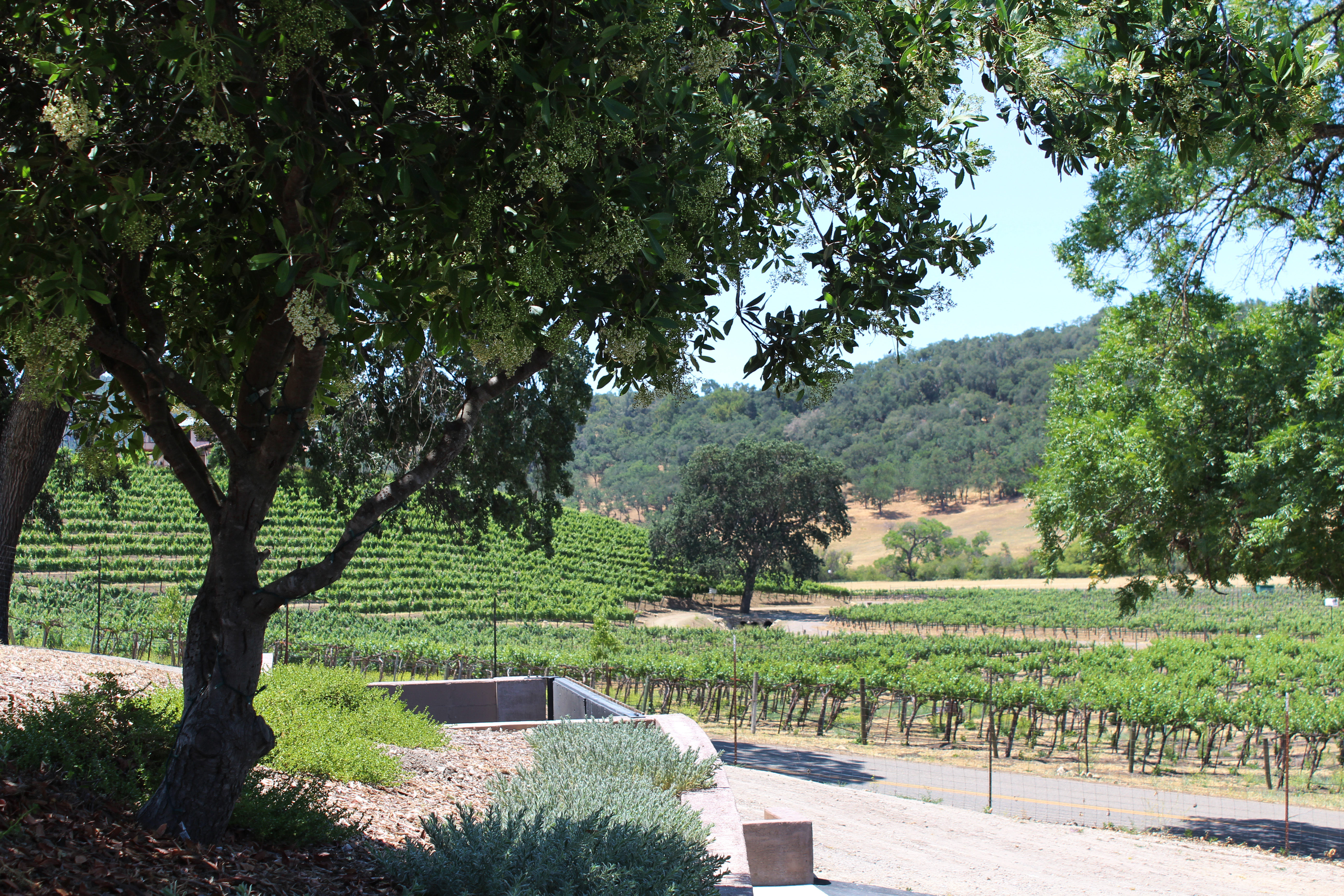
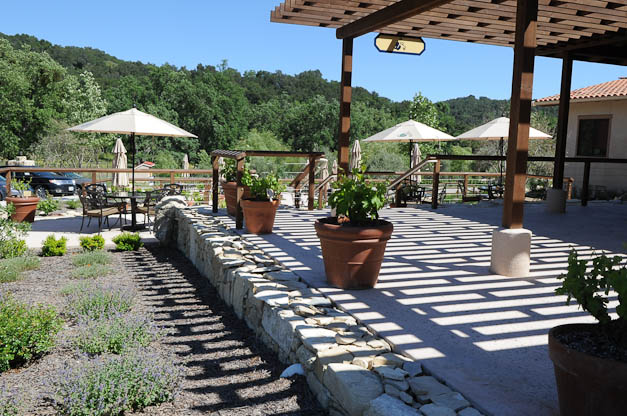
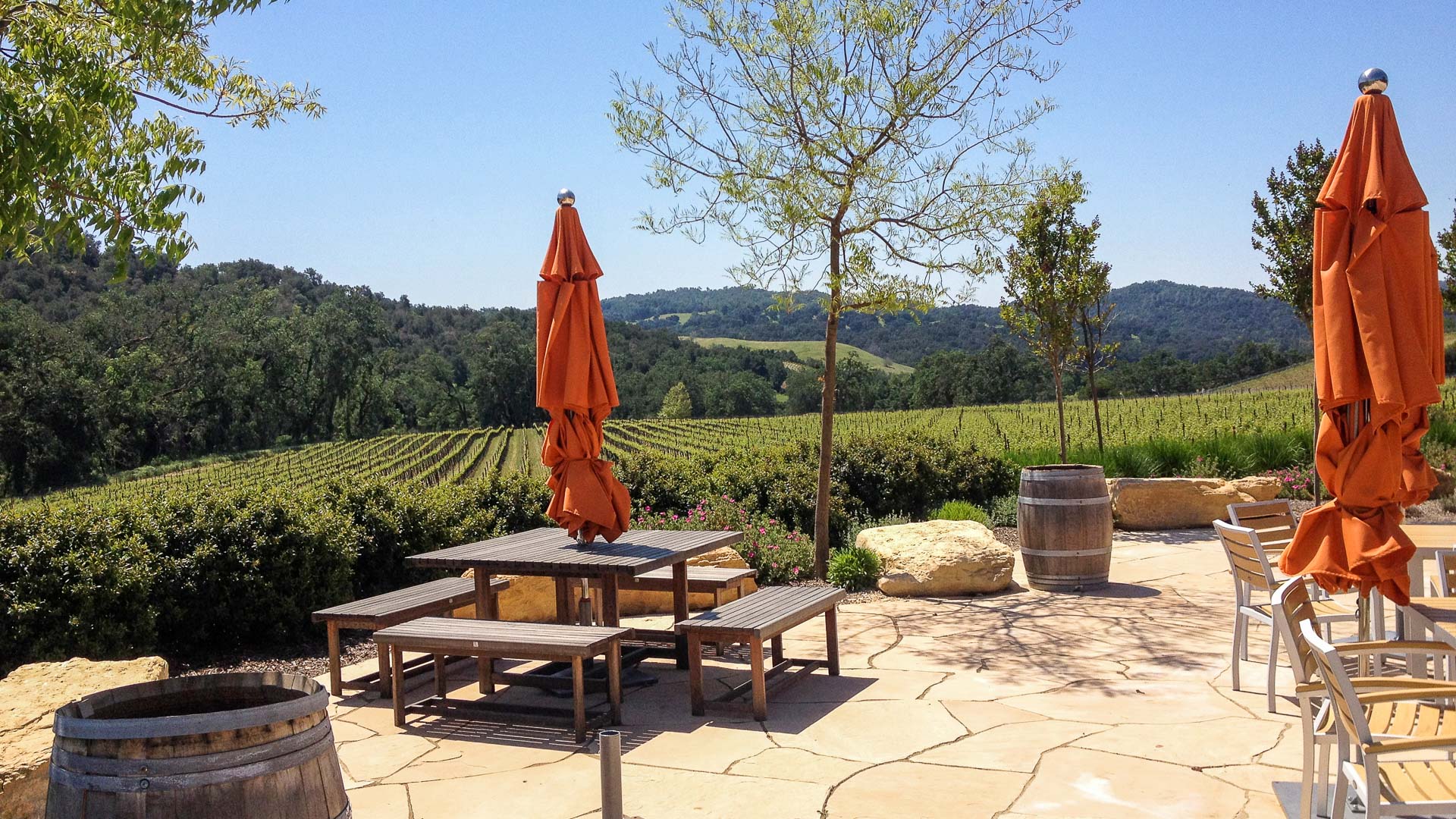
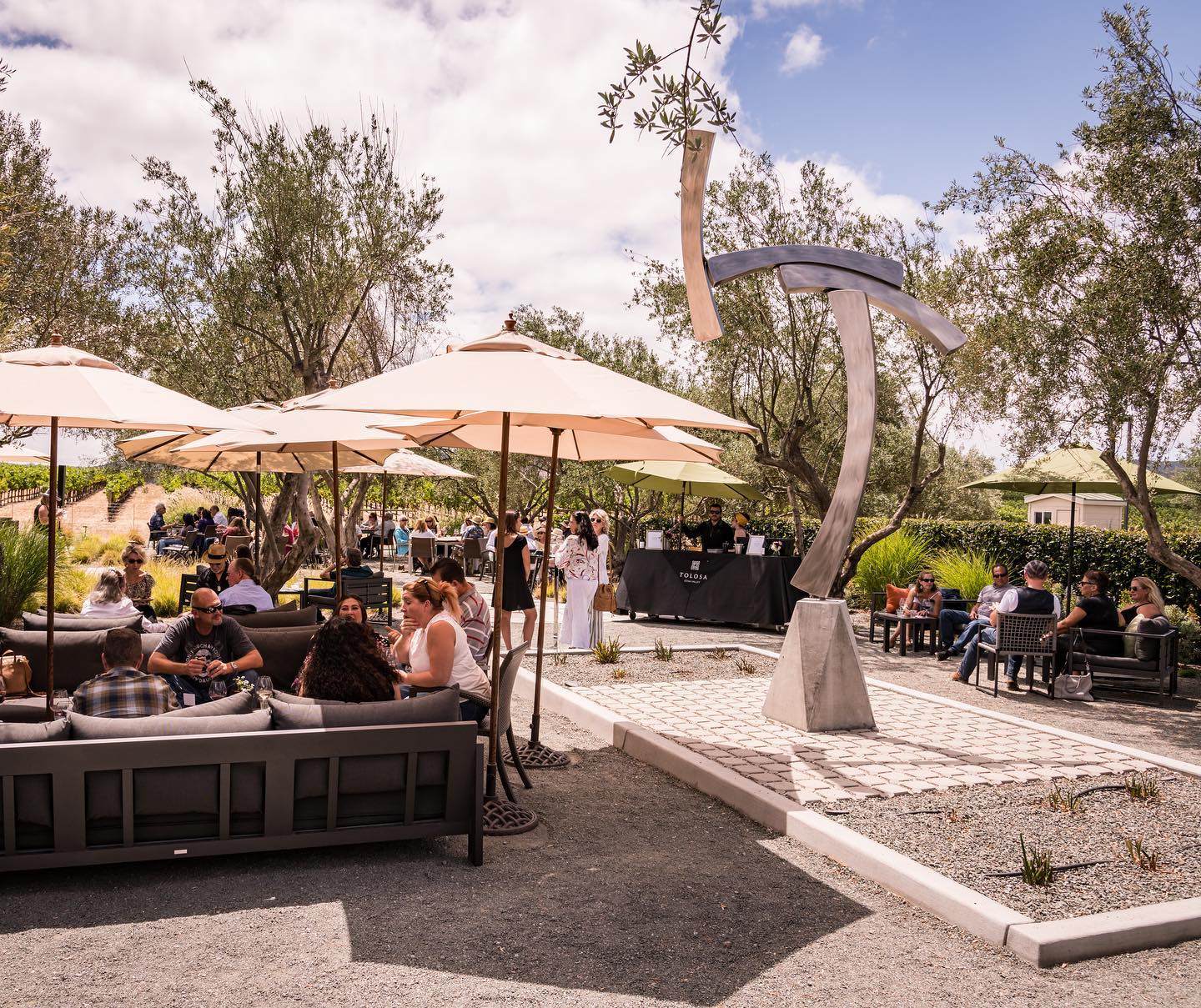
Most coastal regions in California have a Mediterranean climate, meaning that numerous plant species from Southern France, Italy, and Spain thrive here! Mediterranean design styles bring lavender, olive trees, and Italian cypress into California’s landscape. It is also the origin of our incredible wine culture. Often using plaza-style patios, pavers, vines, and potted plants, Mediterranean design makes the most of sun/shade, views, and crops. Sometimes used to describe Spanish Colonial Revival style, these gardens often incorporate stucco walls, tile, and cooling water features. Symmetry and striking, sculptural plants with colorful foliage often come into play.
What’s your Design Style?
Design style can be subtle or overt, but it is responsible for the feeling we get in an outdoor environment, whether familiar or obscure, nostalgic or innovative, cozy or vast. Most importantly, though, it’s what makes home feel like home.
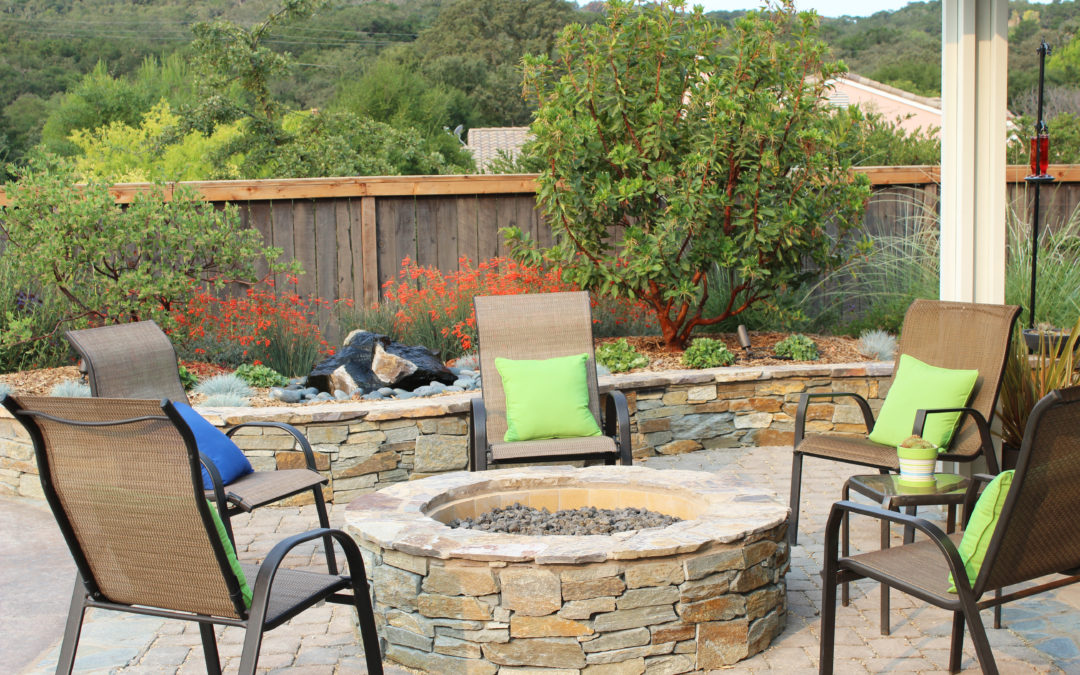
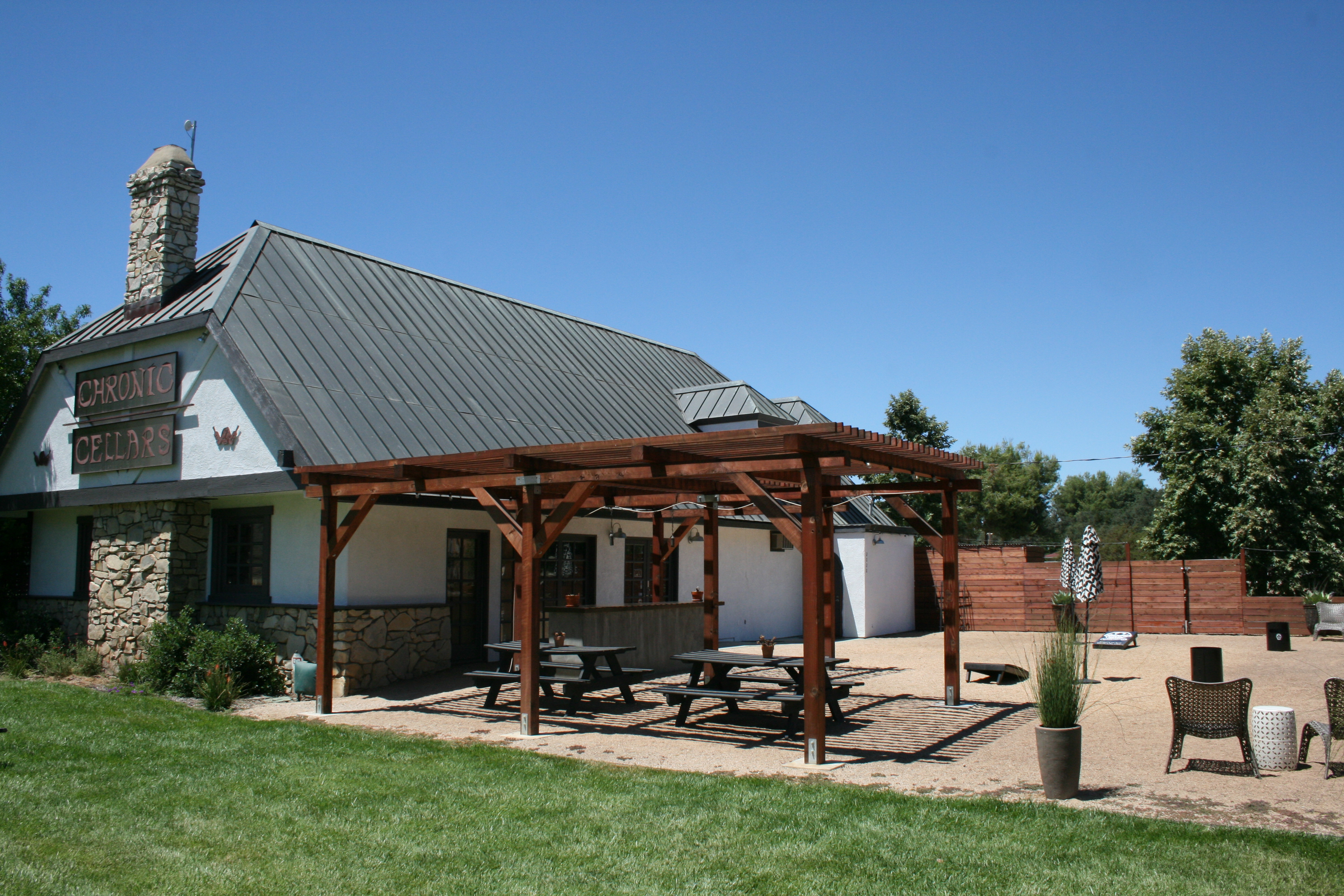
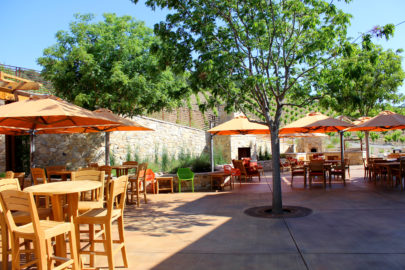 Imagine RELAXING! Finally… after a week that took few prisoners. Here on the Central Coast, we like to turn to our outdoor gathering spaces to enjoy our time and recharge our batteries. It may be at home, or it may be at a winery, restaurant or bar. So, if you’re planning to improve your hospitality business or your home, here are some tips for patio landscaping:
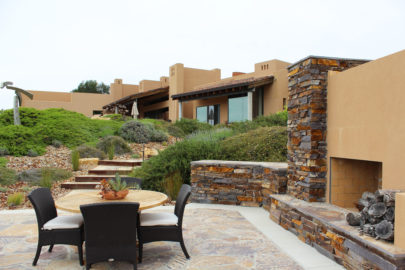 It’s a Material(s) World – When considering patio hardscape design, the materials need to be appropriate to complement the space, as well as fitting your style, priorities, and budget. Materials choices also determine the cost of energy over time. Obviously, these energy costs can and should be kept as low as possible. Energy savings can be greatly affected by good Site Design, careful planning of machinery use, and wise choices of the landscape materials themselves, and their embodied energy (including manufacture, extraction, shipping and life-cycle energy costing).
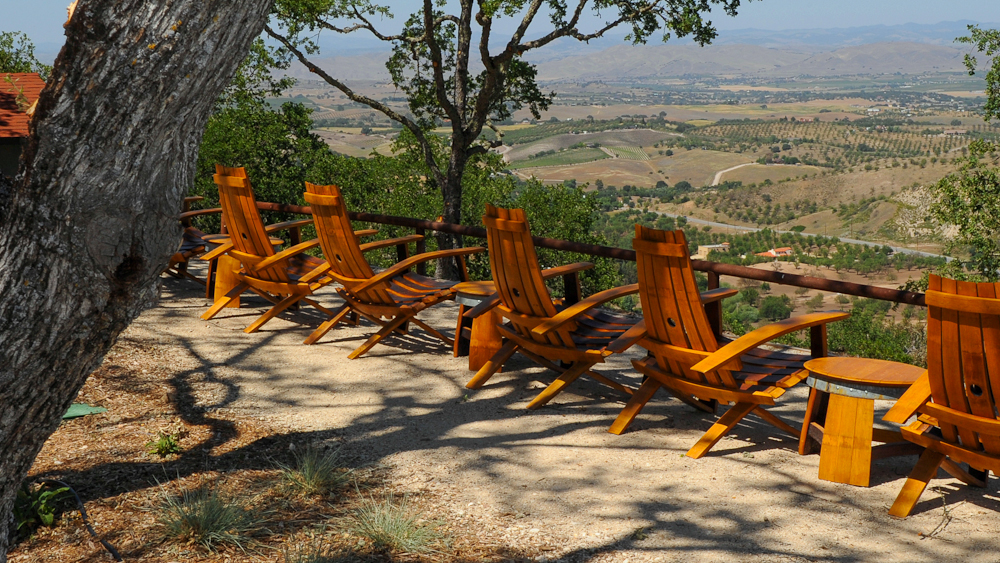
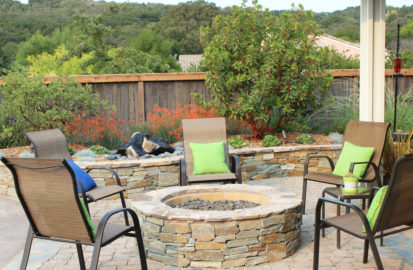 So Imagine Relaxing… leaning back in a comfortable patio chair, warming next to the fire pit, feet up, a glass of wine close by, enjoying the last rays of the sunset. It’s hard to beat the feeling of enjoying your outdoor environment when it suits your needs and lifestyle.
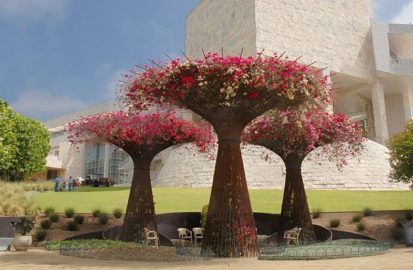 Oh, wait – That’s the Getty. Never mind!
 To continue off our “Meet the Team” segment, we would like to introduce a new-ish member of our team: Coner Boaen. Coner started out as our Service Technician, but is currently running his own crew as a Project Manager for our construction team. He hit the ground running and is doing an awesome job with our clients – thanks for all you do, Coner! See what he said when we asked him some questions about himself and the job: